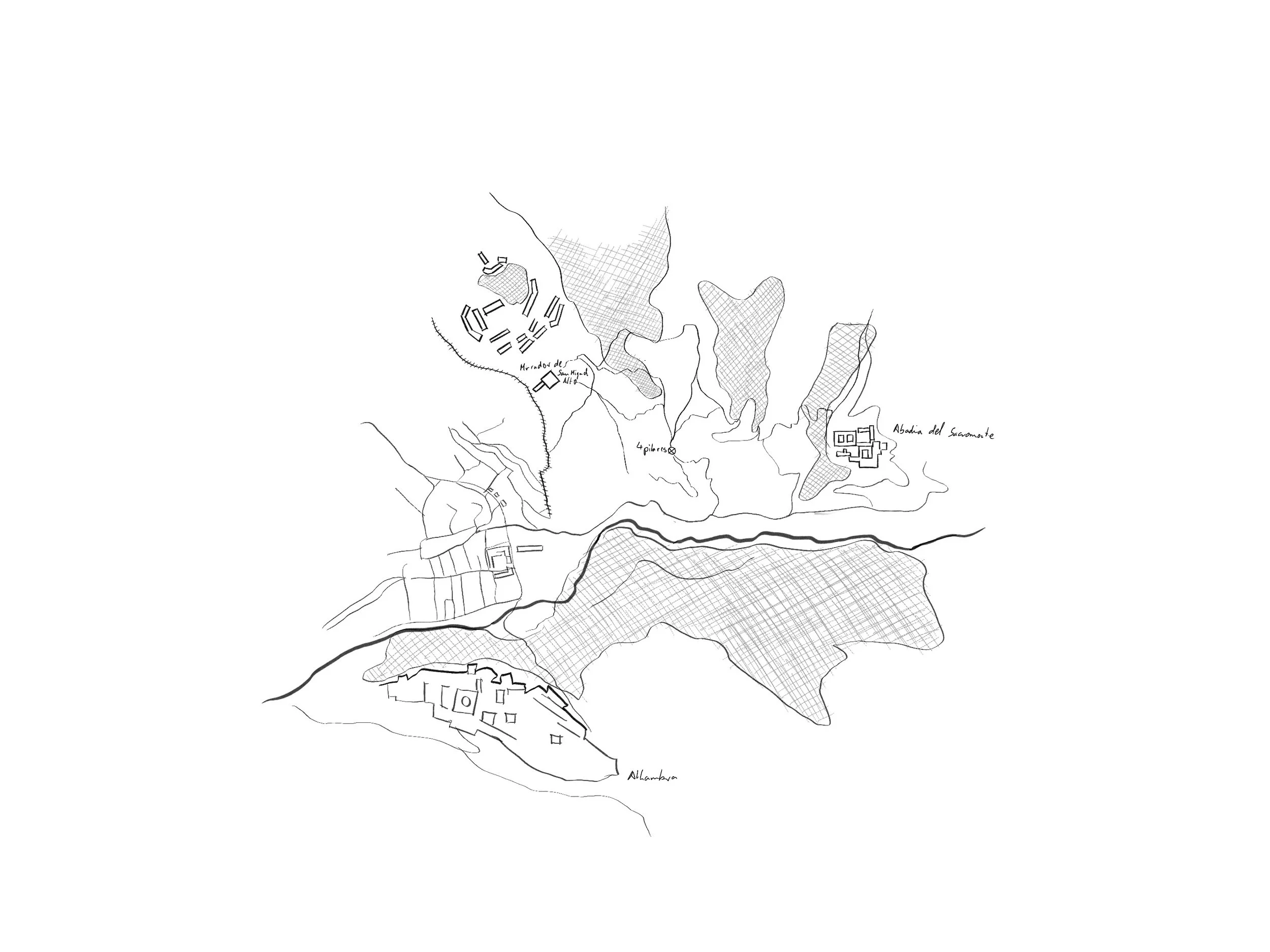
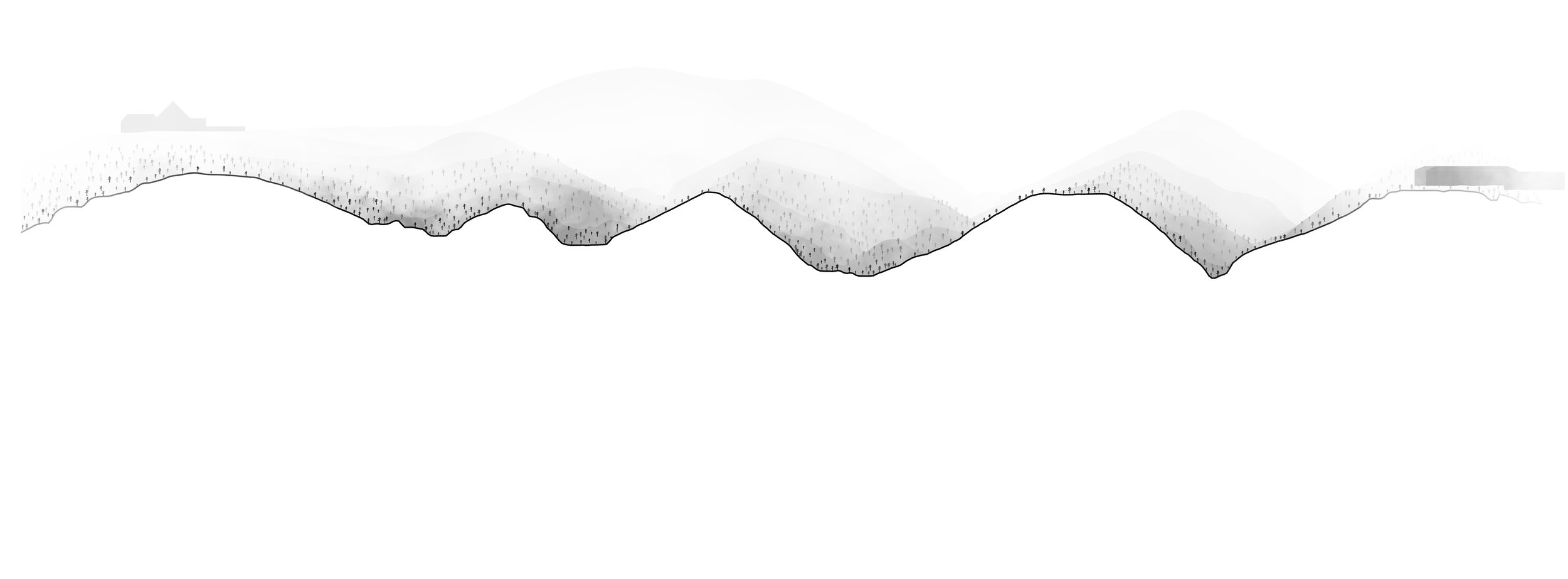
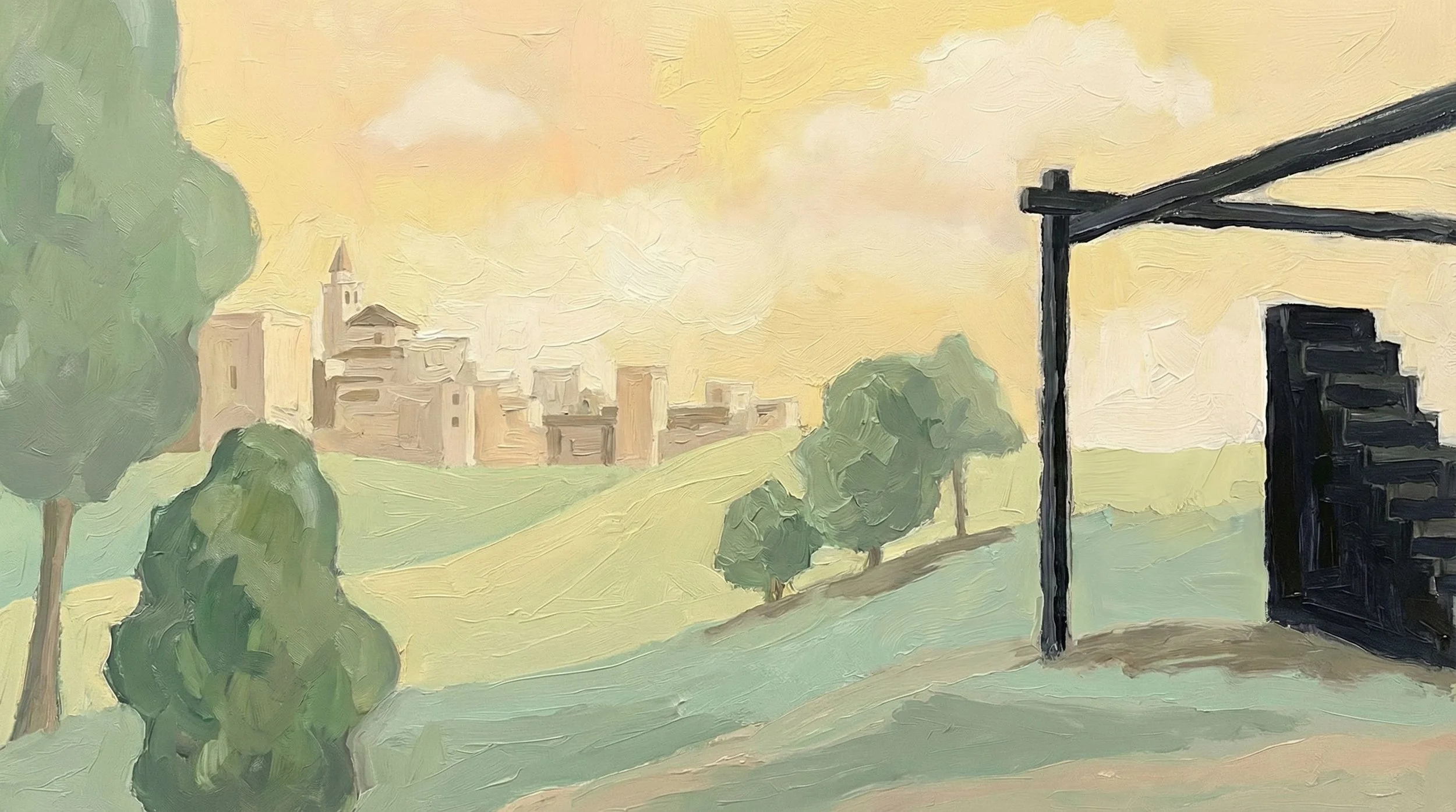
Set within the historic landscape of the Albaicín in Granada, the project occupies a charged point above the caves of Sacromonte — a place shaped by centuries of habitation, flamenco culture, and a deep connection between architecture and terrain. The cave dwellings of Sacromonte, traditionally inhabited by Romani communities, are spaces where living and performance merge, where flamenco emerges directly from the spatial and cultural fabric of the caves themselves. Positioned on a ridge between the Abadía del Sacromonte, the Mirador de San Miguel Alto, and facing the Alhambra, the site offers panoramic views across the city and surrounding mountains, embedded in a landscape of dry grasses and olive trees that forms a quiet clearing above the dense historical layers below.
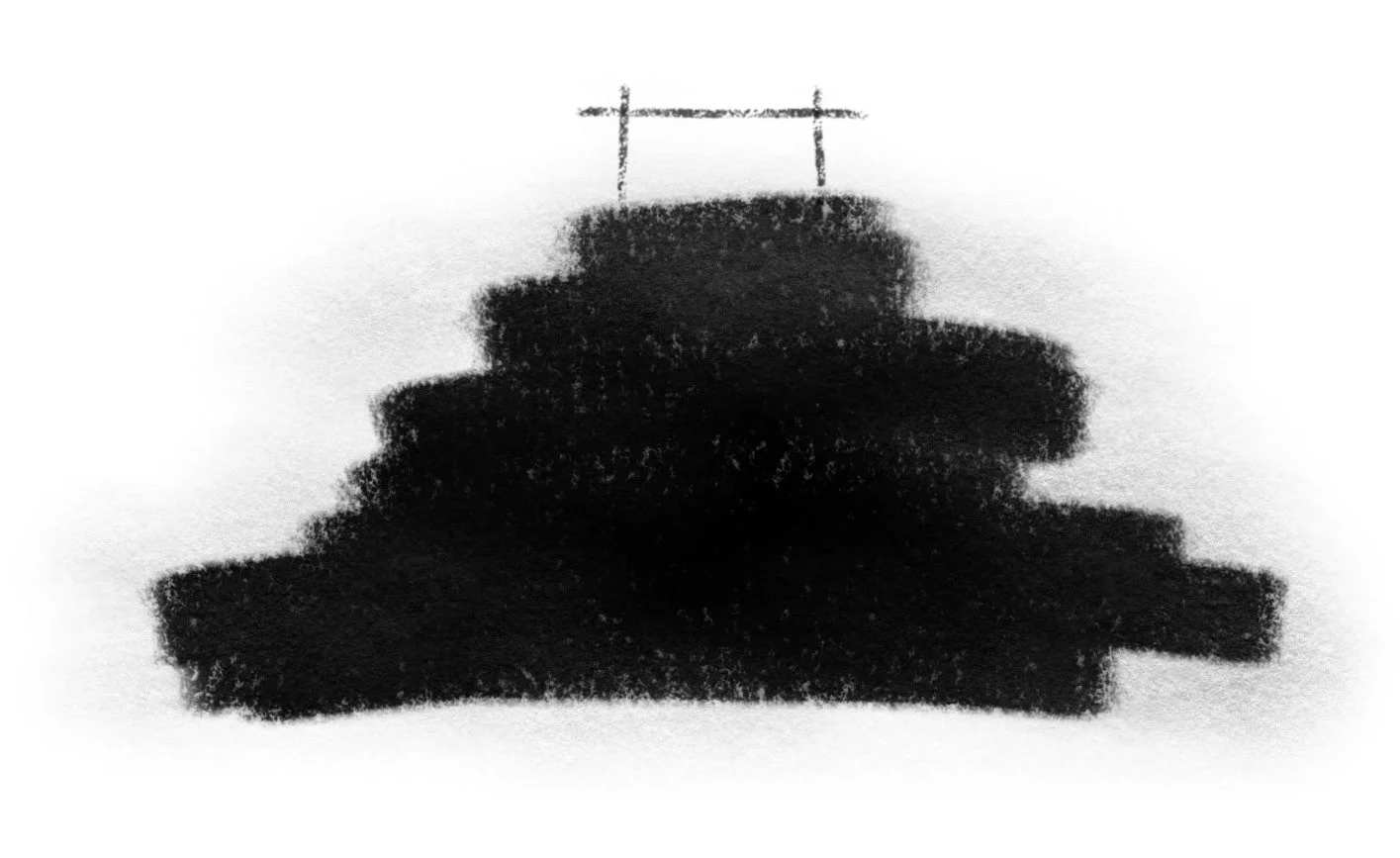
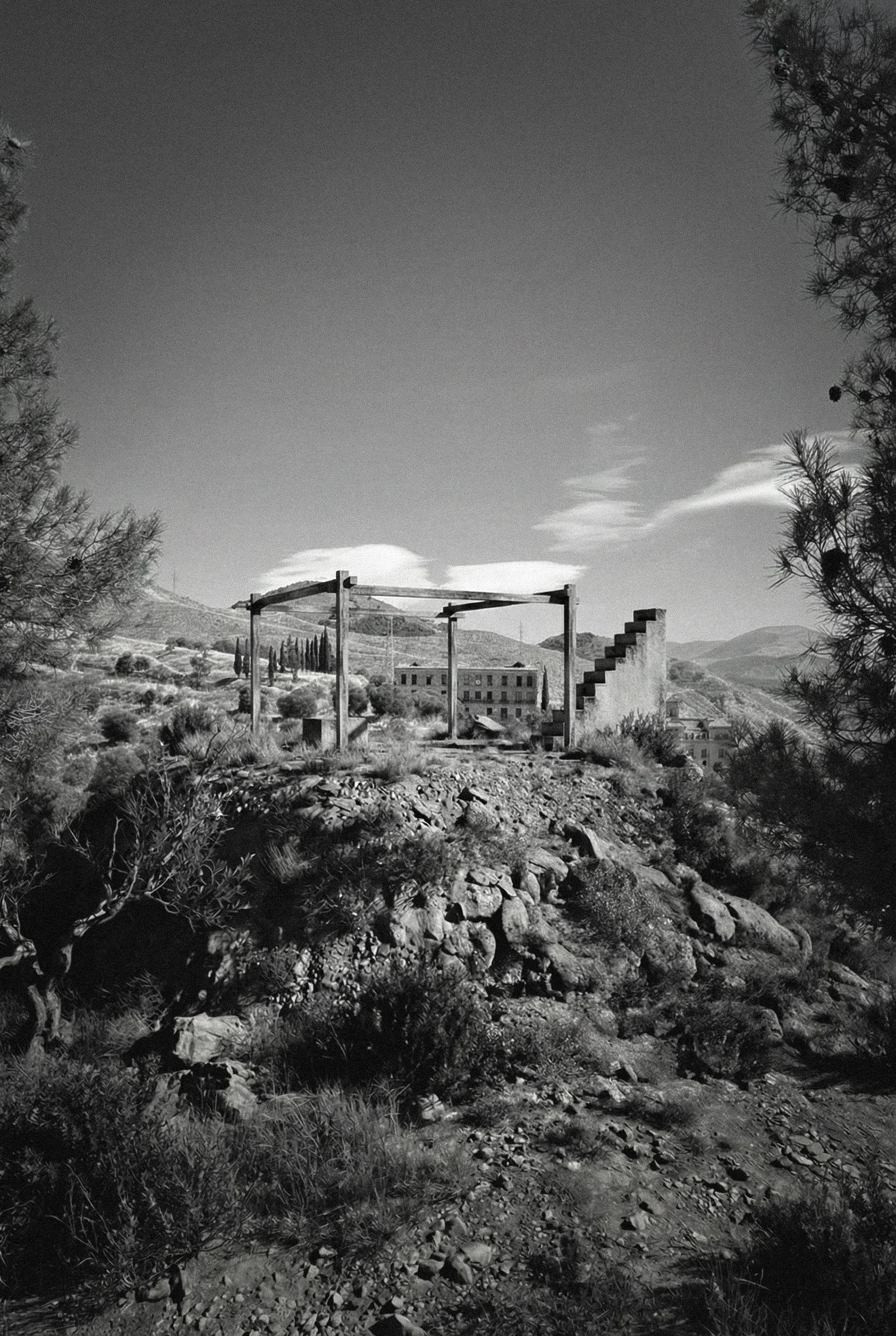
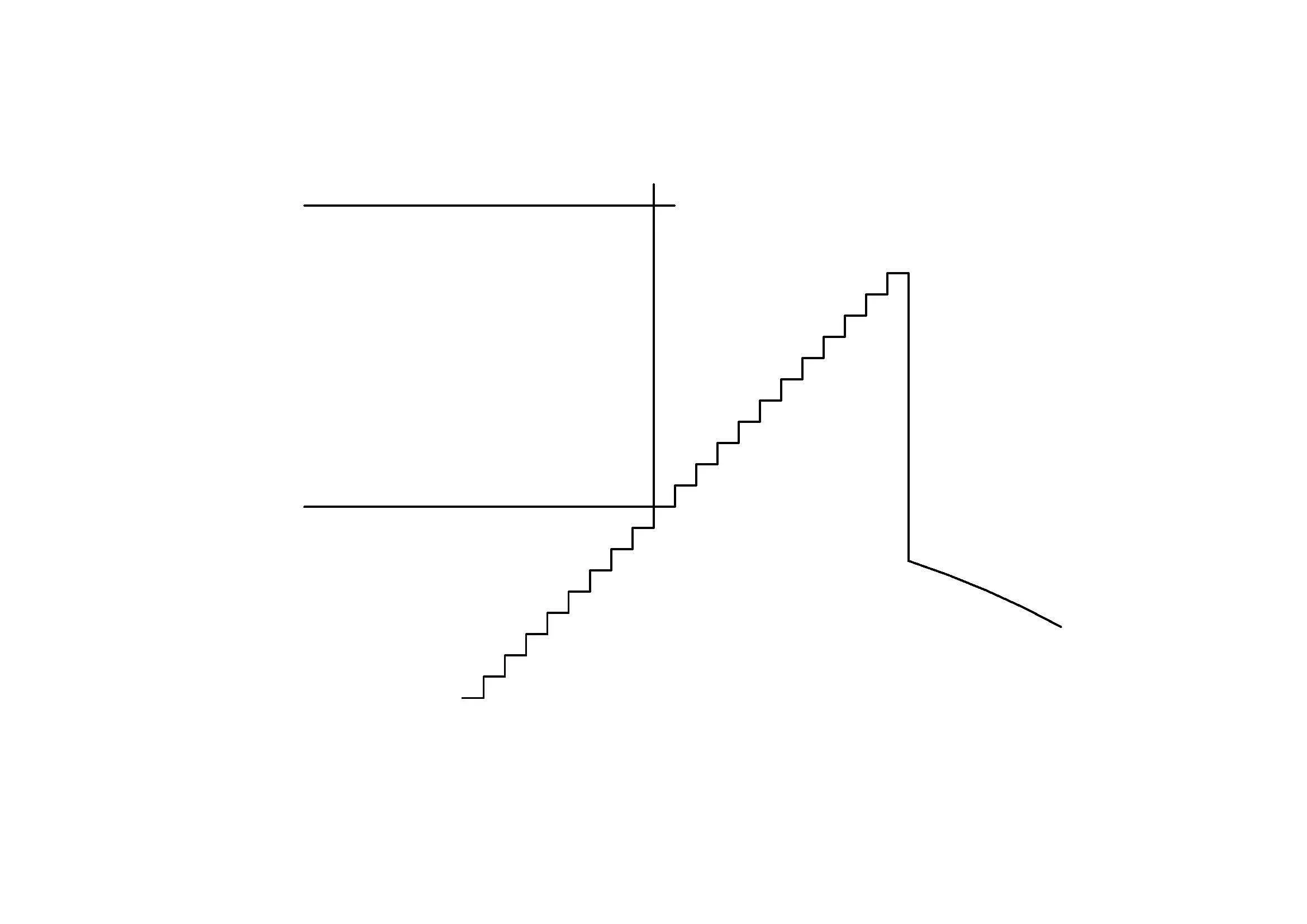
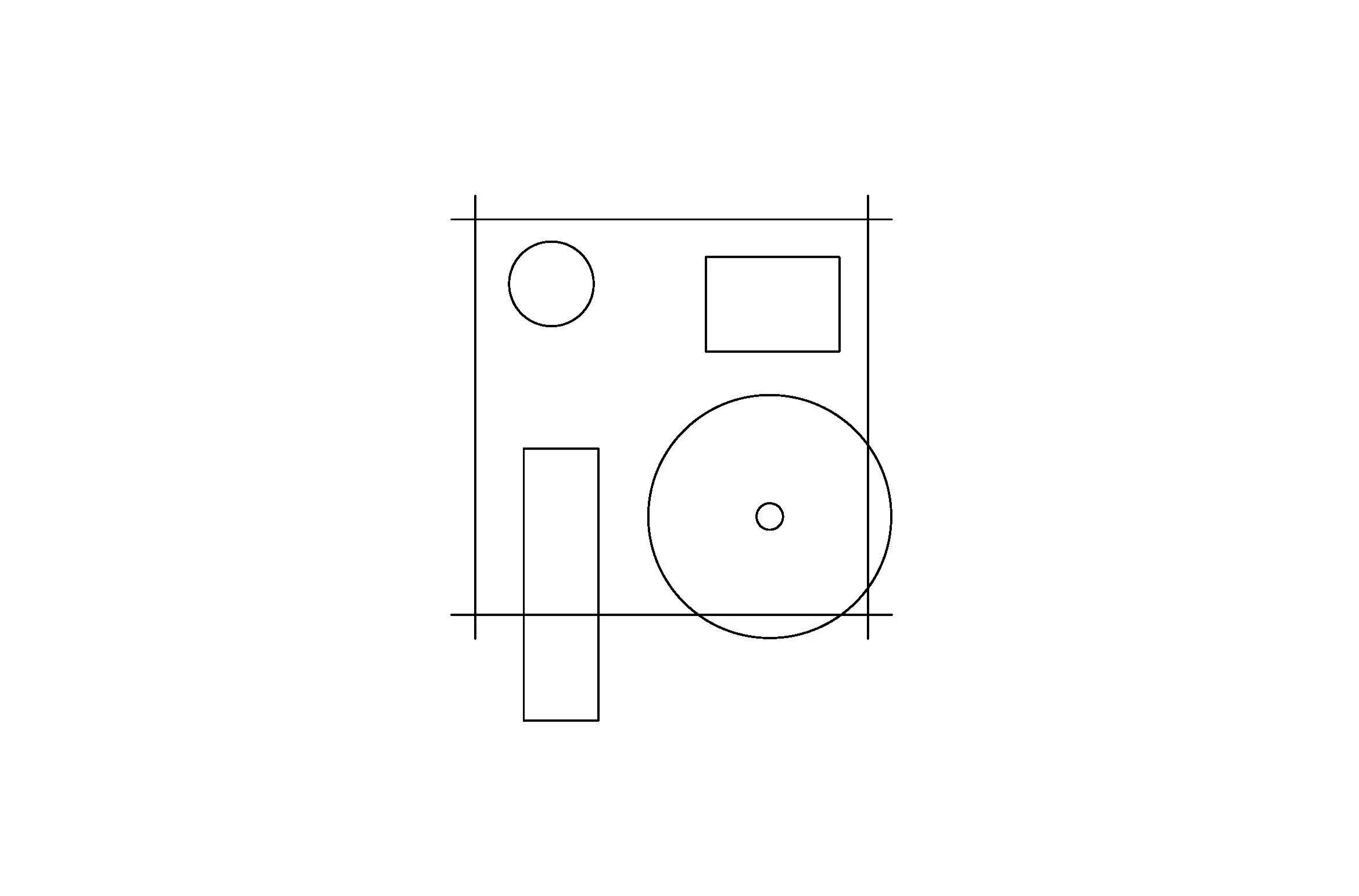
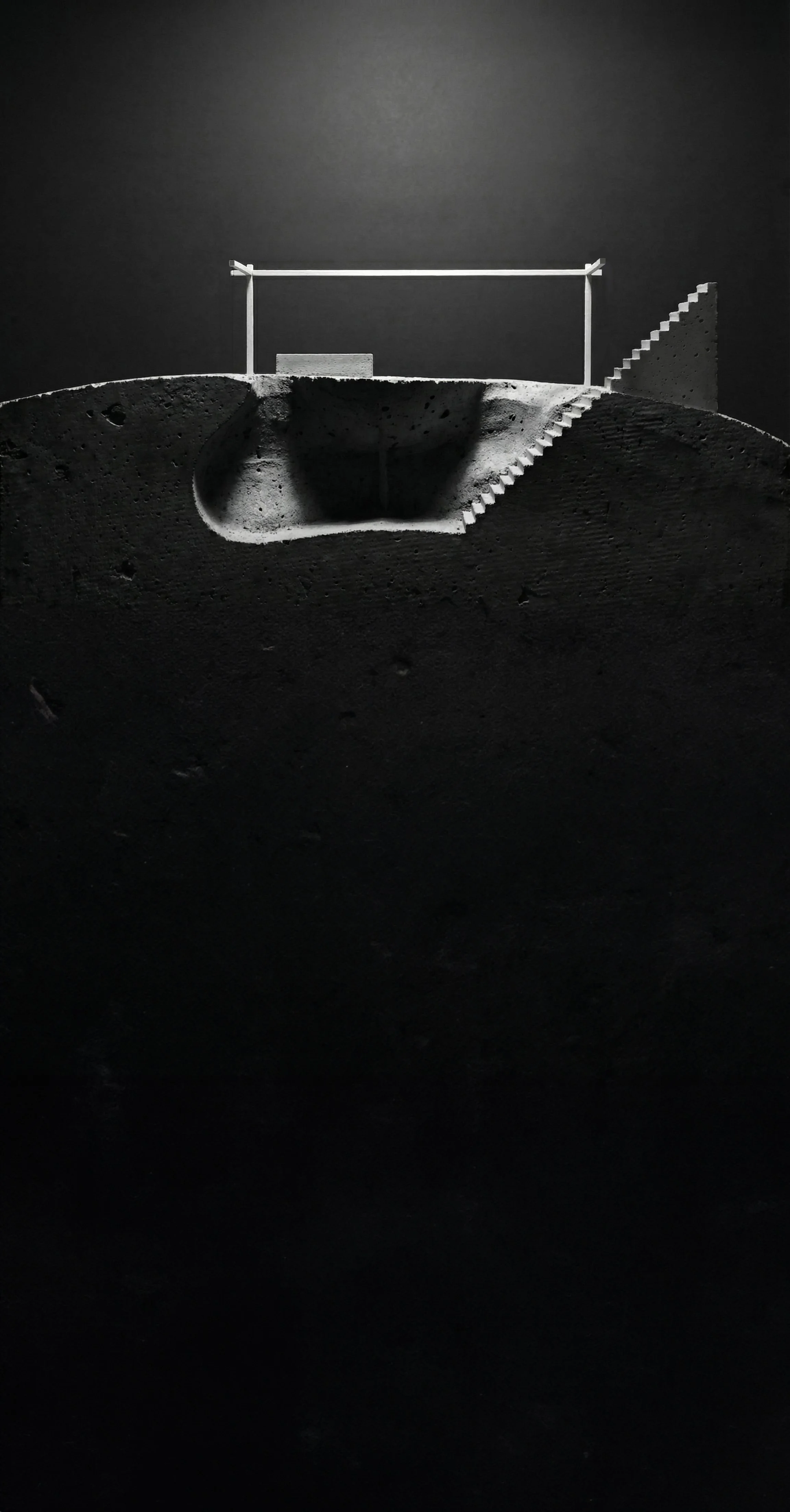
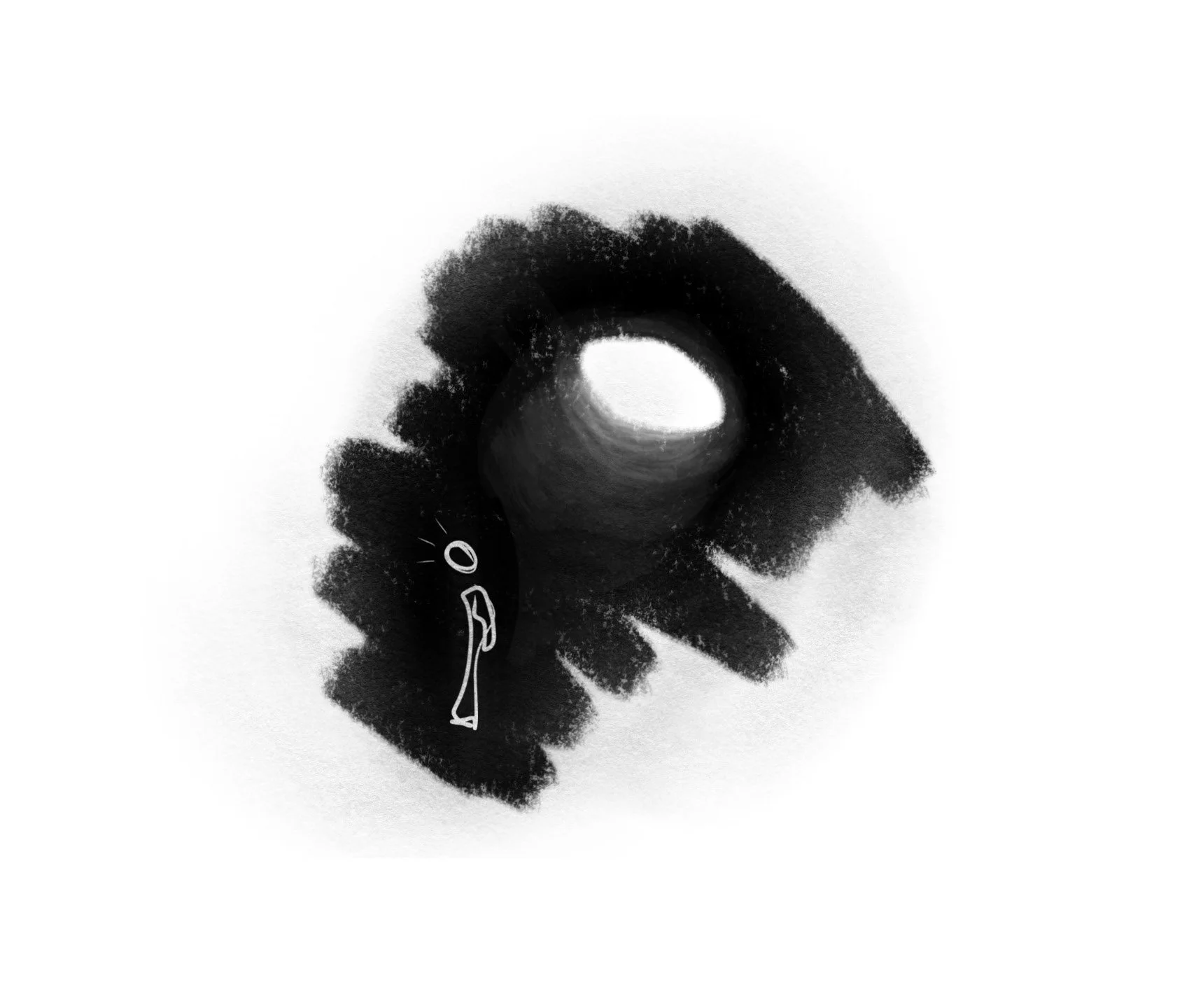
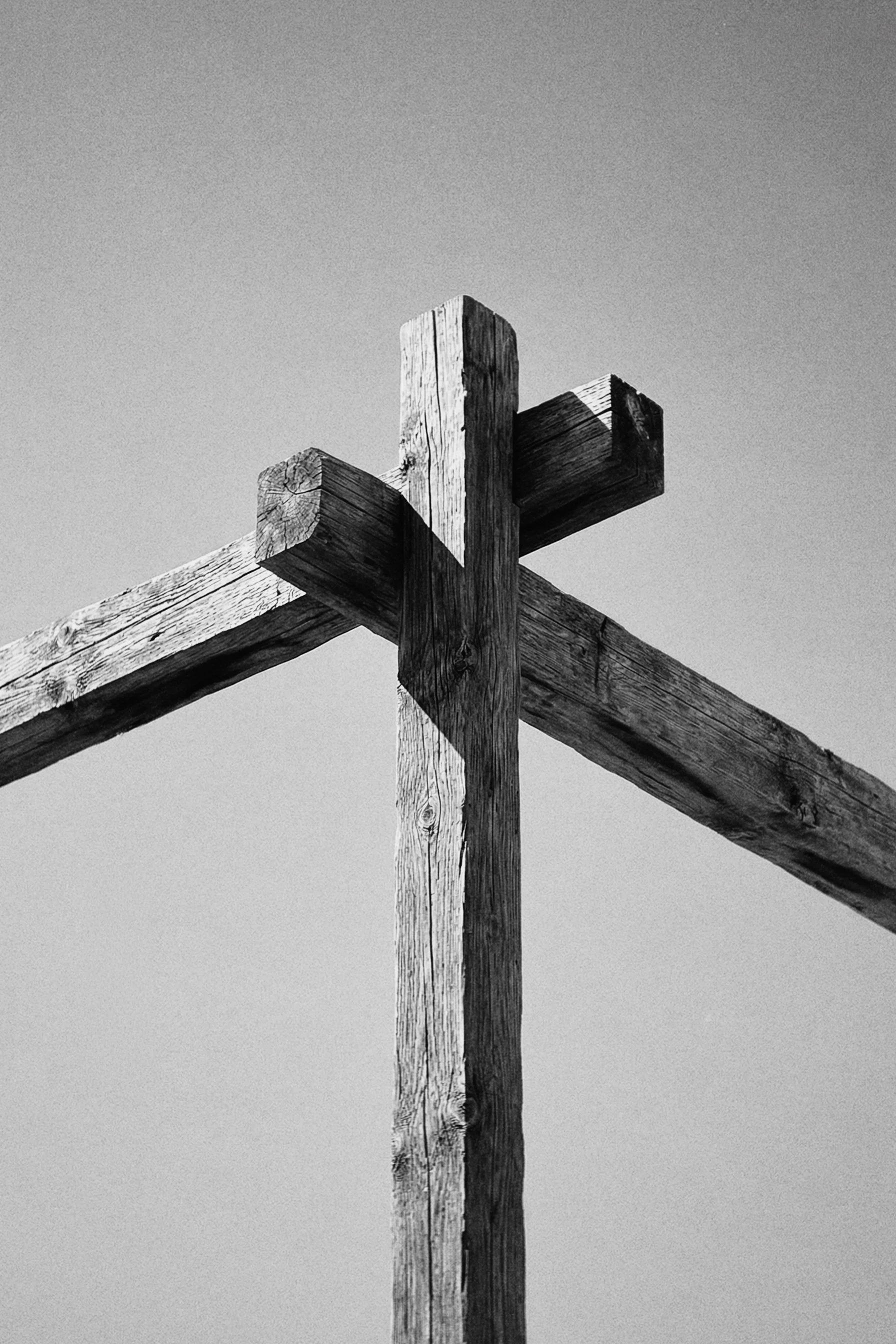
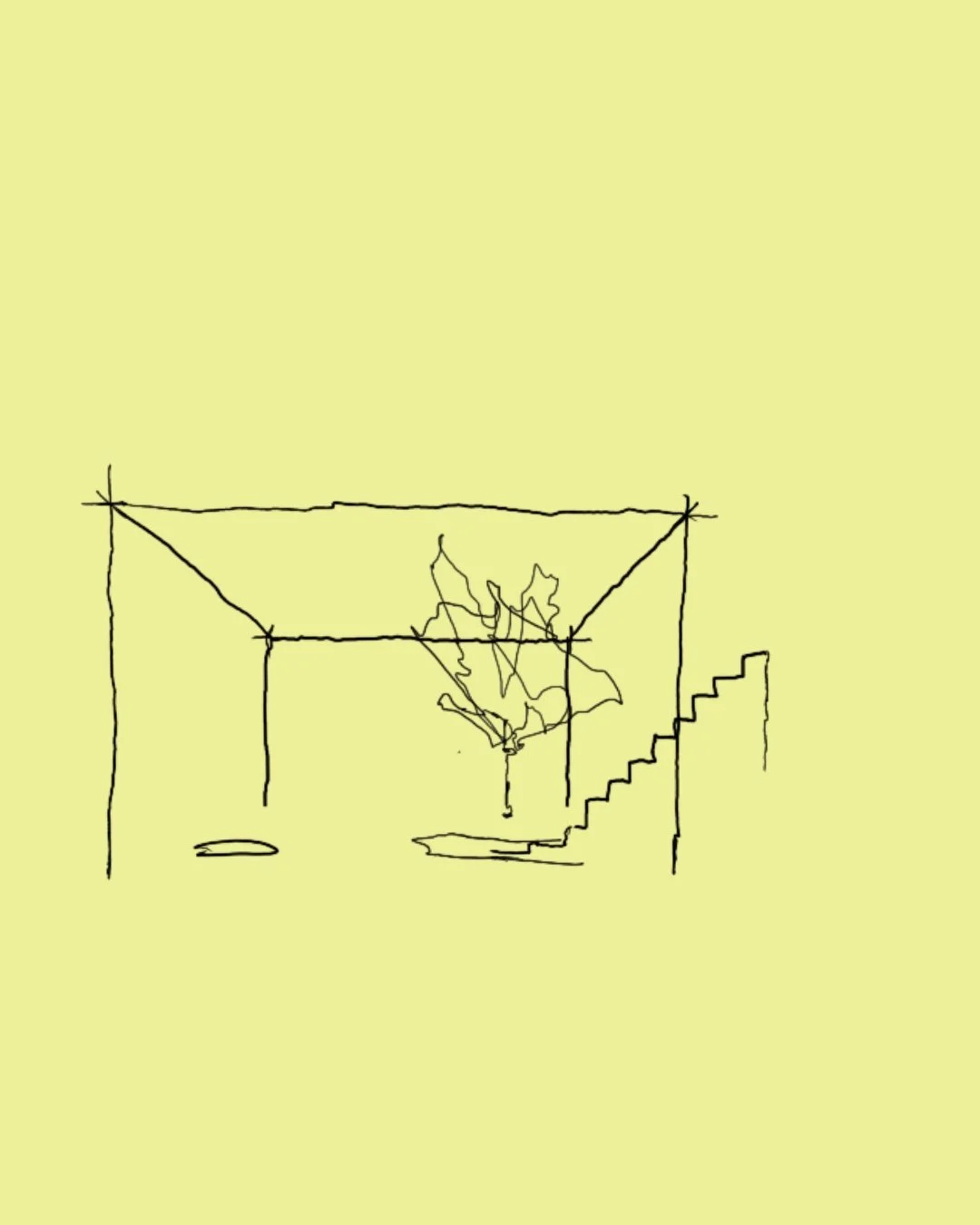
The intervention is defined by radical reduction as a response to this already culturally and historically charged context. Rather than adding complexity, it distills the site into two fundamental spatial conditions: an open space above ground and a protected space below, forming a minimal framework that oscillates between retreat and expression. Below ground, the space takes the form of a cave, enclosed, heavy, and introspective, referencing the use of the existing historic caves as spaces of dwelling and retreat, where light enters only through a single opening, marking time and drawing the exterior inward. Above ground, this condition is inverted into an open frame defined by eight wooden pillars forming a simple square. Within this minimal structure, a shallow water basin reflects sky, light, and movement, turning the space into a contemporary condition of performance — not staged in a fixed sense, but open, atmospheric, and rooted in presence, gathering, and shared occupation, echoing the cultural logic of Sacromonte where performance is inseparable from everyday life and place.
A freestanding sculptural stair connects both conditions, rising toward the Alhambra and anchoring the project within its wider territorial and visual context. The project does not seek to compete with its surroundings but to clarify them through reduction — retreat below, performance above — forming a quiet yet precise intervention within a landscape already rich in memory, culture, and form.